

Dear reader,
This week, I read a profound newsletter by Will Guidara, master and champion of unreasonable hospitality (the remarkable power of giving people more than they expect), and saw an exceptional show by Megan Park, one-of-one actress-turned-writer-director.
Once in Will’s childhood, he uttered the words “I can’t.” This led his dad to put little slips of paper everywhere that said, “failure comes in can’ts; success comes in cans.” He would find those little pieces of paper in his backpack, in his shoes, on his toothpaste, etc. “I can’t” became a curse phrase in their house.
Success comes in “cans.”
And ever since then, the culture and world Will endeavors to create is one where people are empowered to try. Where we can do something to make the people we serve feel seen and heard, whether in our homes, businesses, places of work, or communities. He signs off every newsletter with “have a good service.”
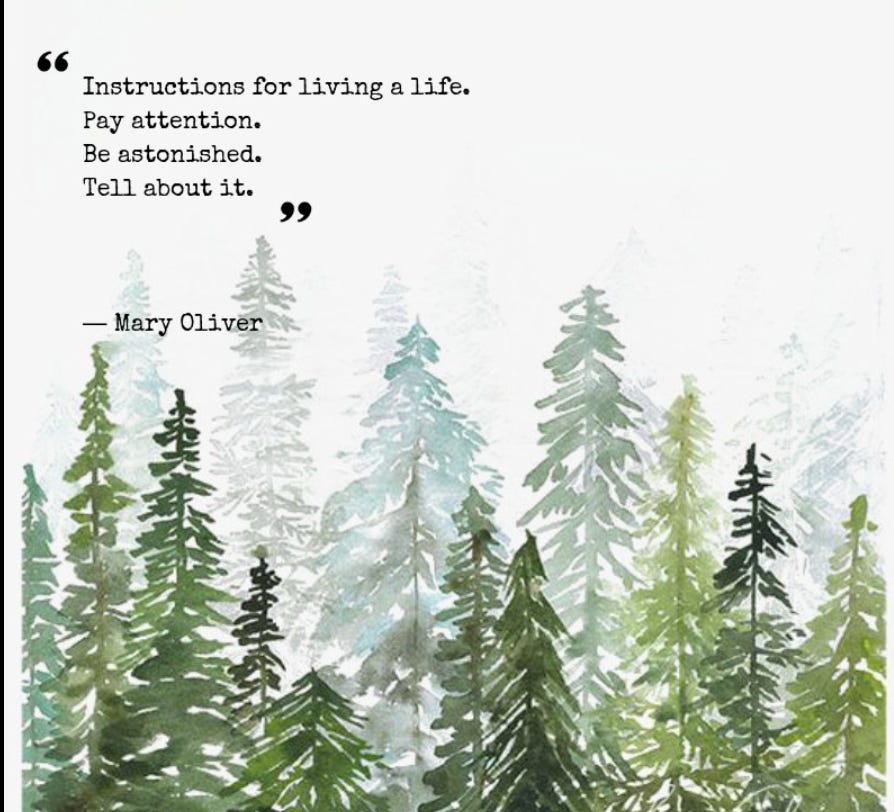
It turns out that being truly seen and heard might require some version of unplugged no service, and loads of paying attention.
I kept thinking about that while watching and being moved by Megan Park’s new series, Sterling Point.
I’m a long-time fan of Megan’s work, but there is something a little extra tender about this show that reminded me why I have loved filmmaking all my life. The score is palpable. The pacing breathable. A lens into the unfiltered feelings we hold.
From some of the first moments, the Muskoka lake region of Canada just reels you in. There is nowhere for the characters to hide, and somehow, nowhere for the viewer to hide either. The young characters actually feel like young people today: nuanced, masking being wounded with nonchalant, flippant humor; yearning; grieving; lovers of alone time; lovers of togetherness; lost, found, well-adjusted, and untethered all at once.
They grapple with their identities when everything they thought they knew about themselves is challenged. It’s raw. It’s relevant.
Young people are often seen as uncomplicated, burden-less, worry-free, linear, inexperienced, delusional. I believe quite the opposite.
And the show does too.
Megan is doing through storytelling what Will does through hospitality: she is paying attention to people. She pays attention to the parts of people that are easy to overlook. The contradictions. The awkwardness. The grief underneath the jokes. The desire to be alone and the simultaneous ache to be known.
She doesn’t flatten them into a type.
She lets them be people.
And maybe that is a kind of service, too.
We tend to think of service as something we do for another person. We serve a meal. We answer a question. We make someone comfortable. We create an experience.
But maybe service begins much earlier than that.
Maybe it begins with noticing. With being present enough to actually see who is in front of you.
Sometimes, that might mean being connected. And sometimes, it might mean losing service altogether.
We tell stories to remind ourselves we’re alive.
We serve for the same reason: to pay attention to another person’s aliveness. And both require us to be present.
Maybe going beyond the surface isn’t about looking harder. Maybe it’s about being present enough to notice what was already there.
With much love & noticing what is already there,
Anjali